Most Valuable Holographic Cards
The holographic shimmer has been the hallmark of premium Pokemon cards since 1999. Here are the most valuable holo cards from across every era of the TCG.
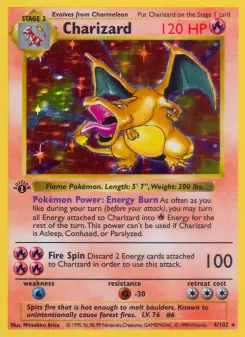
Charizard
$150 - $420,000Base Set
The original and most iconic holo card. Every print variant (1st Edition, Shadowless, Unlimited) is valuable.
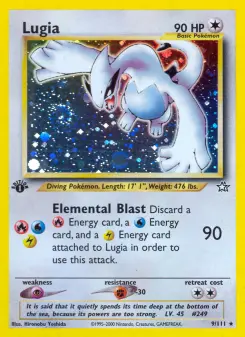
Lugia
$50 - $150,000Neo Genesis
Widely considered the most beautiful vintage holo design. The swirling energy background is legendary.
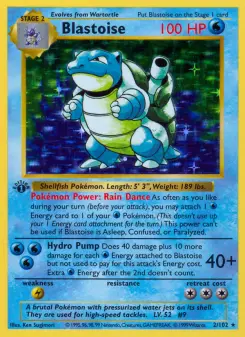
Blastoise
$40 - $80,000Base Set
The second Base Set starter holo. Strong demand from collectors completing the original trio.

Charizard
$200 - $75,000Skyridge
Crystal Charizard from the ultra-scarce Skyridge set. One of the rarest English Charizard holos in existence.

Venusaur
$30 - $55,000Base Set
Completes the original starter trio. Increasingly recognized as undervalued compared to Charizard.
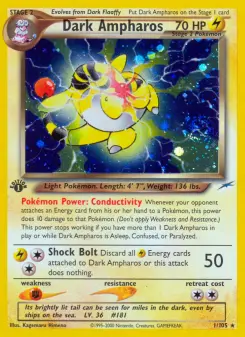
Espeon
$40 - $25,000Neo Destiny
Shining Espeon from Neo Destiny. The Shining cards are the first secret rares and feature a unique reversed holo pattern.
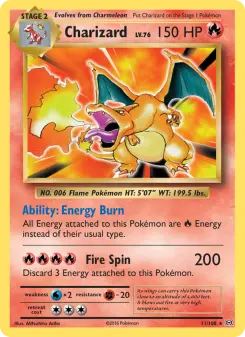
Charizard
$20 - $1,500Evolutions
Modern homage to the original Base Set Charizard holo. Nostalgia factor drives strong collector demand.
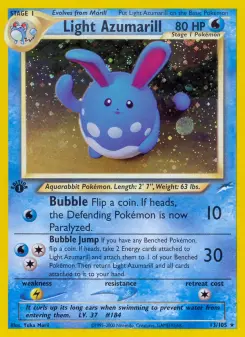
Umbreon
$30 - $20,000Neo Destiny
Shining Umbreon from Neo Destiny. Eeveelution popularity makes this one of the most desired Neo-era cards.

Dragonite
$15 - $10,000Fossil
The rarest holo from the Fossil expansion. Dragonite was the most powerful Pokemon in early competitive play.
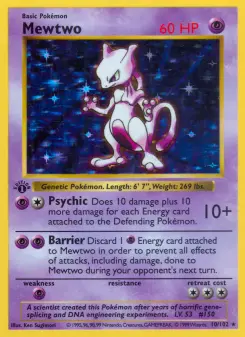
Mewtwo
$20 - $25,000Base Set
Legendary Pokemon with enduring movie and game popularity. Base Set Mewtwo holos are a staple of every vintage collection.
The Evolution of Holographic Cards
Holo patterns have evolved dramatically across 25 years of the TCG. Base Set through Neo used a "cosmos" pattern with scattered stars and dots. e-Series introduced e-dot pattern holos. EX era used a more geometric foil. Modern SWSH and SV sets use varied patterns including vertical lines and starbursts. Each pattern type has its fans, but the original cosmos holo from Base Set remains the most nostalgically appealing to collectors.
How to Protect Holographic Cards
Holo surfaces are more vulnerable to damage than non-holo cards. Always sleeve holos immediately — use penny sleeves for storage and perfect-fit sleeves for active use. Avoid touching the holo surface with bare fingers as oils cause clouding over time. Store vertically in toploaders or binder pages away from direct light. For cards worth over $50, use magnetic cases (One Touch) for optimal long-term protection.
Frequently Asked Questions
Q1 What is the most valuable holographic Pokemon card?
The most valuable English holo is the 1st Edition Base Set Charizard, with PSA 10 copies selling for $300,000-420,000. Including Japanese cards, the Pikachu Illustrator (technically a promo holo) sold for $5.275 million.
Q2 How can I tell the difference between a holo and reverse holo?
A holo has the shimmering foil only on the card artwork. A reverse holo has foil on everything except the artwork (border, text box, card name). They carry different values — standard holos from vintage sets are typically worth more.
Q3 Do all Pokemon sets have holographic cards?
Yes, every mainline expansion since the original Base Set has included holographic rare cards. The number of holos per set varies from 6-10 in vintage sets to 15-30+ in modern expansions.
Q4 Why do some holographic cards have scratches?
Holo surfaces are more delicate than standard card stock. Scratches appear from shuffling without sleeves, sliding across surfaces, or rubbing against other cards in storage. These scratches significantly reduce graded value — always sleeve your holos.
Check your cards' value
Pokex scans and prices any Pokemon card in seconds.
No credit card. No signup. Just scan.